Printing industrial
Home

Printing industrial

  • Embracing Green Printing: Daihei ink's NON VOC Inks Lead the Eco-Friendly Trend Embracing Green Printing: Daihei ink's NON VOC Inks Lead the Eco-Friendly Trend
    May 15, 2026
      Driven by growing environmental awareness, the printing industry is actively seeking more sustainable solutions. NON VOC (Non-Volatile Organic Compound) inks, with their environmentally friendly properties, have become a focal point in the eco-packaging market. Daihei ink, with its forward-thinking research and development, has launched two pure vegetable oil-based eco-friendly inks: DAIICHI-AF NON VOC and SONATRA NON VOC, which have quickly gained widespread market favor.   These inks are specifically designed to meet the stringent demands of the eco-packaging market. They not only deliver excellent printing performance but also set new benchmarks in environmental standards. Formulated with pure vegetable oils, they effectively reduce VOC emissions, offering consumers and manufacturers healthier and safer printing options.   Currently, Daihei ink is actively developing more economical NON VOC inks to address the relatively high cost of existing eco-friendly inks, making green printing more accessible to a wider range of businesses. We are confident that in the near future, Daihei ink will offer a comprehensive product line of pure vegetable oil-based inks across high, medium, and low price points, fully meeting the diverse needs of our customers and collectively driving the printing industry towards a greener, more sustainable future.
    Read More
  • Revolutionize Your Printing with Premium LED UV Offset Ink Revolutionize Your Printing with Premium LED UV Offset Ink
    May 05, 2026
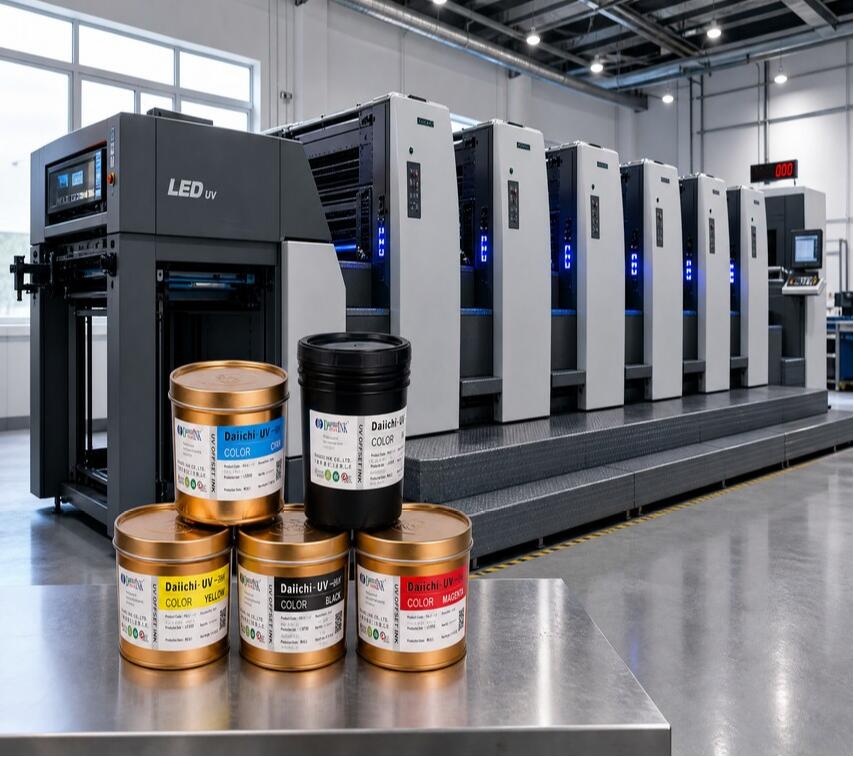
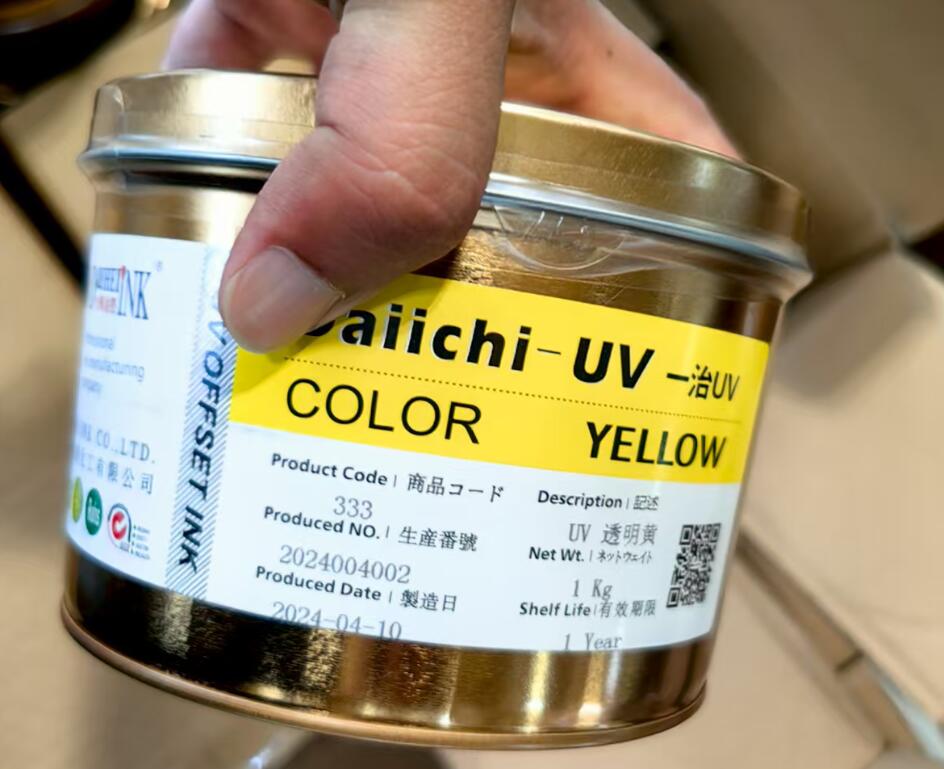
      In the fast-paced world of commercial and packaging printing, efficiency and quality are paramount. Our premium LED UV offset ink is engineered to meet these demands, offering a cutting-edge solution that transforms traditional printing processes. Unlike conventional inks that require extensive drying time and heat, our LED UV ink cures instantly upon exposure to ultraviolet light. This rapid photo-polymerization process ensures that printed materials are immediately ready for finishing operations, such as folding or die-cutting, significantly reducing turnaround times and boosting overall productivity.   One of the most compelling advantages of our LED UV offset ink is its exceptional print quality. Because the ink cures instantly, it prevents dot gain and absorption into the substrate, resulting in sharper images, vibrant colors, and superior gloss. This makes it an ideal choice for high-end commercial printing, including brochures, posters, and premium packaging. Furthermore, the cold-curing nature of LED technology means it generates minimal heat, allowing for flawless printing on heat-sensitive substrates like plastics, foils, and synthetic papers without the risk of distortion.   Beyond performance, our LED UV offset ink champions environmental sustainability. The formulation is entirely free of volatile organic compounds (VOCs), ensuring a safer and cleaner working environment. Additionally, LED UV curing systems consume significantly less energy compared to traditional mercury-vapor lamps and boast a much longer operational lifespan. By integrating our LED UV offset ink into your printing presses, you not only achieve brilliant, durable, and scratch-resistant prints but also reduce your carbon footprint and operational costs. Experience the future of eco-friendly, high-speed printing with our advanced ink solutions.  
    Read More
  • What is UV offset ink and how does it work? What is UV offset ink and how does it work?
    Sep 05, 2025
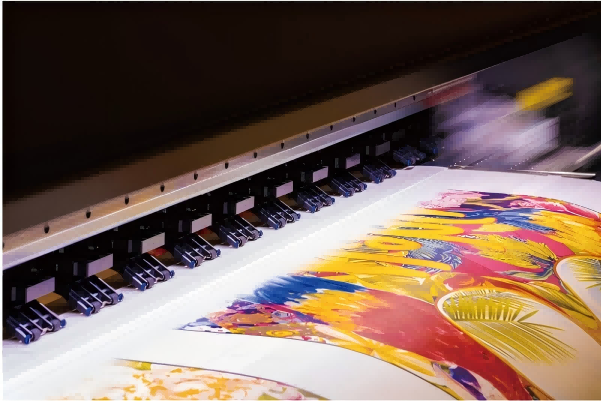
    UV-LED eco-friendly ink is an environmentally friendly ink that cures in an extremely short time using ultraviolet light (UV-LED light source). It is primarily composed of a photocurable resin, reactive diluent, photoinitiator, colorant, and additives. It offers energy-saving, solvent-free, and environmentally friendly features. The curing process of UV-LED eco-friendly ink eliminates the need for traditional drying equipment. Instead, it achieves a rapid transition from liquid to solid through a photoinduced cross-linking reaction, typically in under one second.   A leader in this field, Daihei ink delivers premium UV ink solutions tailored for diverse industries. Its UV inks excel in packaging (flexible films, cartons), commercial printing (posters, brochures), and industrial applications (electronics, automotive parts). For example, Daihei’s UV curable inks are ideal for food packaging, meeting strict safety standards while maintaining vivid graphics. They also perform exceptionally well on non-porous materials like plastic and metal, a key advantage for product labeling.   Using UV ink effectively requires matching the ink type to the substrate—Daihei offers specialized formulas for different surfaces. Ensure proper UV lamp intensity (300-400nm wavelength) and adjust printing speed for full curing. Regular maintenance of printheads and UV systems preserves ink flow and curing efficiency. With Daihei ink’s reliability and UV technology’s benefits, businesses achieve high-quality, sustainable printing results.  
    Read More
  • LED UV ink industry analysis LED UV ink industry analysis

    Aug 25, 2025
      🌍 Environmental Regulations Driving Transformation Global environmental regulations are tightening, with traditional inks emitting millions of tons of VOCs annually. China’s packaging and printing industry contributes 30% of global VOC emissions. LED UV inks, featuring solvent-free formulations and UV-curing technology, achieve "zero VOC emissions", aligning with China’s 14th Five-Year Plan for VOC control and policies like the EU Carbon Border Tax. This positions LED UV as the core solution for green printing upgrades.   ⚡ Technical and Economic Advantages   Energy Efficiency: LED light sources consume only 20-25% of traditional mercury lamps’ energy, with a lifespan exceeding 20,000 hours (10× longer than mercury lamps), reducing operational costs by 70%.   Application Breakthroughs: Low-temperature curing (≈60°C lamp surface) prevents deformation of heat-sensitive substrates like plastic films, enabling use in high-growth fields such as food packaging, electronics (e.g., PCBs), and 3D printing.   📈 Market Growth and Innovation   The global LED ink market exceeded 1 billion** in 2024, with China accounting for **35%**. Packaging printing dominates demand (>**60%**), especially for food/pharmaceutical packaging due to non-toxic safety. By 2028, the global UV LED curing market is projected to surpass **12 billion (CAGR >10%).   Key innovations addressing high initial costs and curing limitations on dark substrates include:   Material R&D: Bio-based photoinitiators to resolve toxicity concerns.   Hybrid Solutions: Combining LED UV with water-based inks to balance eco-friendliness and adaptability.   Smart Integration: IoT-enhanced curing precision and production efficiency. 💎 Conclusion: An Irreversible Green Shift   Policy pressure, technological benefits, and market demand are propelling LED UV ink to the forefront of printing. As bio-based materials proliferate, equipment costs decline, and global carbon taxes take effect, this transformation is no longer a question of "if" but "how fast" — finally balancing ecology and economics.
    Read More
  • Offset Printing Ink: A Colorful Feast for the Eyes Offset Printing Ink: A Colorful Feast for the Eyes
    Jun 21, 2025
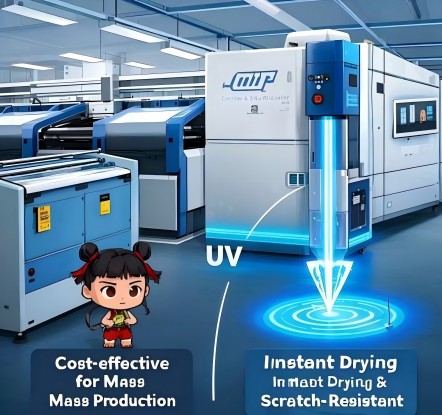
    In the world of printing, offset printing ink is like a silent magician, transforming plain paper into vibrant canvases. From exquisite packaging to weighty books, from glossy magazines to art albums, offset ink brings life to our daily visuals with its exceptional color performance and technical adaptability—truly a feast for the eyes.   The Magic of Color: The Core Appeal of Offset Ink   Offset printing ink is meticulously formulated from pigments, binders, and additives. Its resin-based composition ensures fast drying, high gloss, and water resistance. Whether it’s a bright red packaging box or a delicate gradient art print, offset ink accurately reproduces every detail of the design. For instance, by adjusting ink hues (such as switching from medium yellow to light yellow), prints can achieve purer golden-red tones, meeting even the most demanding color requirements.   Technological Evolution: From Tradition to Eco-Friendly Innovation   With growing environmental awareness, offset ink is undergoing a green revolution. Water-based and UV-curable inks, known for their low VOC emissions, are becoming industry favorites, with market share expected to exceed 45% by 2025. Digital color-matching technologies (e.g., X-Rite’s InkFormulation software) further minimize waste, making color management more precise and efficient. These advancements not only reduce environmental impact but also enhance color durability—ensuring outdoor advertisements remain vivid even after years of exposure.   A Colorful Feast Everywhere You Look   Offset ink plays a starring role in countless aspects of life:   Packaging: Eye-catching hues on food and cosmetic packaging that spark consumer desire;   Cultural Exchange: Books and magazines that blend text and imagery to spread knowledge and beauty;   Artistic Expression: Limited-edition prints and high-end posters that gain depth and vitality through ink layering.   The Craft Behind the Colors   Every drop of offset ink is a fusion of technology and artistry, turning monochrome into brilliance and giving creativity a tangible form. As eco-friendly innovations and smart manufacturing converge, offset ink will continue to deliver a more sustainable and breathtaking spectrum of colors to the world.   Tip: Want to learn more about color-matching techniques or green ink trends? Feel free to leave a comment!
    Read More
  • Printing Magic Behind "Nezha 2" Popularity: How Offset & UV Inks Power Movie Merchandise Printing Magic Behind "Nezha 2" Popularity: How Offset & UV Inks Power Movie Merchandise
    Feb 28, 2025
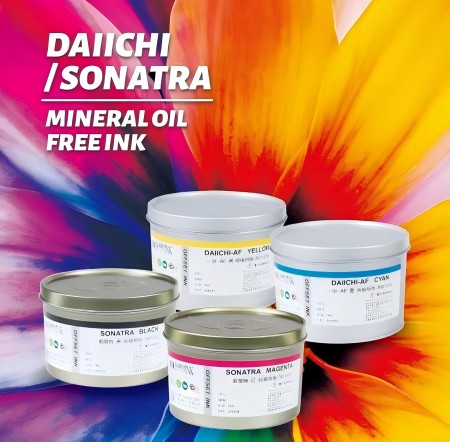
    The box-office smash *Nezha 2* has not only captured audiences’ hearts but also ignited a frenzy for movie-themed merchandise. From action figures to limited-edition stationery, these products owe their vibrant appeal to advanced printing technologies—especially offset ink and UV ink, which are revolutionizing the way pop culture meets quality.       Why Convention Offset Ink?   Convention Offset lithography remains a cornerstone for large-scale productions like movie peripheral cultural creation. Its high color saturation and durability ensure iconic designs stay vivid even after repeated handling. For *Nezha 2* merchandise, convention offset ink delivers precise details, such as the film’s signature flame patterns and dynamic textures, making each item a collectors’ dream. Plus, eco-friendly offset inks are now standard, aligning with consumers’ demand for sustainable products.     The Rise of UV Ink   In the fast-paced world of pop culture, speed matters. UV ink dries instantly upon exposure to UV light, enabling mass production without drying time. This technology is perfect for items like glossy stickers or holographic packaging featured in *Nezha 2* collections. UV inks also offer enhanced resistance to scratches and fading, ensuring merchandise withstands years of display.     Printing the Future   As *Nezha 2* continues to dominate shelves, the collaboration between film magic and printing innovation shines brighter. Whether you’re crafting movie memorabilia or promotional materials, offset ink and UV ink from trusted suppliers like Daihei Ink provide the tools to turn creativity into reality.      
    Read More
  • “Green Printing” in China “Green Printing” in China
    Nov 23, 2024
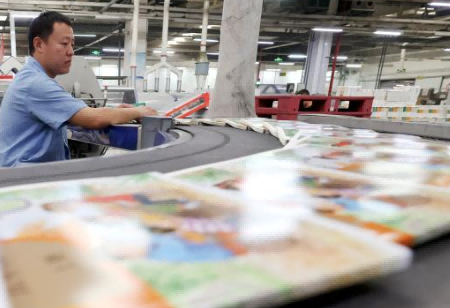
    The concept of "green printing" originated in the late 1980s and was first proposed and implemented by developed countries such as Japan, the United States, and Germany. "Green printing" refers to a printing method that has little impact on the ecological environment, less pollution, and saves resources and energy. Its core connotation is "environmentally friendly" and "healthy and beneficial". With mankind's emphasis on environmental protection and the advancement of the concept of "sustainable development", "green printing" has become a printing method and requirement that is commonly used and increasingly popular in developed countries in Europe and the United States.   In April 2019, during the Guangdong International Printing Exhibition, the China Printing and Equipment Industry Association, Beijing Printing Association, and Beijing Green Printing and Packaging Industry Technology Research Institute jointly hosted the "Discussion on VOCs Emission Control and Governance Strategies for Publication Printing Enterprises." An important conclusion of the meeting is that publication printing is not a heavily polluting industry. It is recommended to strengthen source control and use green raw and auxiliary materials. Even without adopting "end-of-pipe treatment", emissions standards can be achieved.   As a printing ink manufacturer that takes green environmental protection as its mission, DAIHEI INK insists on using green raw materials to ensure that the products it produces are more environmentally friendly and safer. It has been registered in the "Green Raw and Auxiliary Materials" for 8 consecutive years. We firmly believe that every bit of our efforts can bring more contributions to society and achieve sustainable development of the enterprise.
    Read More
  • Ensuring High-Quality Book Printing: The Environmental Focus Ensuring High-Quality Book Printing: The Environmental Focus
    Sep 06, 2024
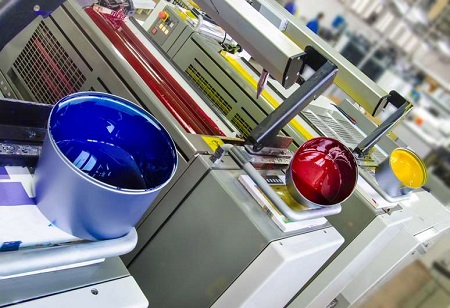
    As the new school year commences in September 2024, students across the country receive their eagerly anticipated new books. However, this year presented a challenge due to the concentrated printing schedule in August. With limited time and a heavy workload, it is essential for printing facilities like Xinhua Printing Factory to ensure the quality of book printing. This blog post will delve into how these printing facilities maintain high standards by carefully selecting and maintaining materials such as paper, ink, and printing equipment. Moreover, the focus will be on the stringent requirements and attention given to environmentally friendly practices, particularly in regard to ink quality control, elimination of hazardous substances, and the regulation of heavy metal content.   Quality Paper Selection: To guarantee the quality of book printing, Xinhua Printing Factory prioritizes the selection of premium paper. They understand that paper plays a crucial role in the overall appearance and durability of the books. The factory carefully examines the paper's weight, thickness, and texture to ensure it meets the required specifications. By choosing high-quality paper, they can enhance the visual appeal and tactile experience of the books, contributing to an enjoyable reading experience for students.   Appropriate Ink Usage: The choice of ink is another critical factor in achieving top-notch book printing. Xinhua Printing Factory places great emphasis on utilizing environmentally friendly inks that comply with strict regulations. They invest in eco-friendly inks that contain minimal volatile organic compounds (VOCs) and hazardous substances. By doing so, the factory not only ensures a safer working environment but also contributes to the preservation of environmental well-being. Furthermore, these inks are designed to maintain vibrant colors and excellent print quality, offering students visually appealing textbooks.   Maintenance of Printing Equipment: Maintaining the printing equipment is essential for consistent print quality. Xinhua Printing Factory regularly inspects and calibrates their machinery to ensure accurate color reproduction and precise image alignment. By adhering to a strict maintenance schedule, they minimize the risk of errors and malfunctions that could compromise the final product's quality. Additionally, well-maintained machinery increases efficiency, allowing the factory to meet the demanding printing deadlines without sacrificing quality.   Focus on Environmentally Friendly Ink: In recent years, environmental awareness has become a global concern, and Xinhua Printing Factory shares this commitment by placing a strong emphasis on eco-friendly practices. They prioritize ink quality control, ensuring that heavy metal content is well within acceptable limits set by regulatory authorities. By doing so, they eliminate the risks associated with excessive heavy metal exposure and protect the health of both their employees and end consumers, primarily students. By choosing inks with minimal environmental impact, the factory demonstrates social responsibility and contributes to sustainable printing practices.   As students receive their new books at the start of the 2024 school year, they can take pride in the high-quality printing accomplished by facilities like Xinhua Printing Factory. Through meticulous material selection, regular equipment maintenance, and a dedicated focus on using environmentally friendly inks, these printing facilities ensure that students receive textbooks that meet the highest standards of quality. By prioritizing environmentally conscious ink choices, Xinhua Printing Factory sets a positive example for other printing facilities and contributes to the promotion of sustainable practices.
    Read More
  • The brilliant cooperation and future prospects of Daihei Ink and Heidelberg Printing Machines‌ The brilliant cooperation and future prospects of Daihei Ink and Heidelberg Printing Machines‌
    Aug 22, 2024
    Heidelberg reported it is very pleased with its showing at the drupa trade fair in Düsseldorf. The Heidelberg stand attracted a great deal of interest from customers around the world, the company says, who also invested in the innovations at the show.   In the vast starry sky of the printing industry, the cooperation between Daihei Ink and Heidelberg Druckmaschinen Co., Ltd. is undoubtedly a shining star. ‌The two companies, one is famous for its excellent ink quality, and the other is the leader in the global printing equipment manufacturing industry. Their cooperation not only wrote a good story in the history of printing, but also set a new benchmark for the future development of the industry. ‌   Since the beginning of the cooperation, Daihei Ink and Heidelberg Printing Machines have shown a high degree of tacit understanding and complementarity. ‌Daihei Ink provides perfect "blood" for Heidelberg Printing Machines with its stable, environmentally friendly, and color-expressive ink products, enabling each Heidelberg Printing Machine to output high-quality and highly consistent prints. ‌And Heidelberg Printing Machines provide the best display platform for Daihei Ink's ink products with its exquisite craftsmanship, efficient production capacity and excellent performance. ‌ The cooperation between the two parties is not only at the product level, but also goes deeper into multiple dimensions such as technology research and development and market expansion. ‌Through joint research and development, Daihei Ink and Heidelberg Printing Machines continue to launch new products that meet market demand, such as ink formulas for specific materials or special printing effects, and high-precision printing solutions that match them. ‌These innovative achievements not only meet customers' demand for high-quality printed products, but also further consolidate the leading position of both parties in the industry. ‌ ‌Future Outlook: Continuous Innovation, Leading the Trend‌   Facing the increasingly updated and iterative market demand, Daihei Ink and Heidelberg Printing Machines are well aware that only continuous innovation can maintain competitiveness. ‌In the future, the two companies will continue to work hand in hand and make efforts in the following aspects: ‌   1. Green and environmental protection: ‌With the increasing attention paid to environmental protection issues around the world, Daihei Ink and Heidelberg Printing Machines will pay more attention to the environmental performance of inks and printing equipment. ‌Through the development of more environmentally friendly ink formulas and the use of more energy-saving and efficient printing equipment, we will jointly promote the green and sustainable development of the printing industry. ‌   2. Digital transformation: Digitalization has become an important trend in the printing industry. Daihei Ink and Heidelberg will strengthen cooperation in the field of digital printing and jointly develop digital printing solutions that meet market demand. Through the application of digital technology, printing efficiency can be improved, production costs can be reduced, and customer demand for personalized printed products can be met. ‌   3. Intelligent upgrade: Intelligence is one of the future development directions of the printing industry. Daihei Ink and Heidelberg will be committed to the intelligent upgrade of printing equipment, and through the introduction of advanced technologies such as artificial intelligence and the Internet of Things, the printing process can be automated and intelligently controlled. This will greatly improve the stability and consistency of printing production and reduce labor costs and error rates. ‌   4. Personalized customization: With the continuous growth of consumers' personalized needs, on-demand printing and personalized customization will become an important market in the printing industry. Daihei Ink and Heidelberg will jointly pay attention to the development trends in this field, launch new products and services that meet market demand, and meet customer demand for personalized printed products. ‌   In short, the cooperation experience between Daihei Ink and Heidelberg Printing Machines is not only a glorious past, but also a prospect of unlimited possibilities in the future. The two companies will continue to uphold the concepts of innovation, cooperation, and win-win, jointly promote the prosperity and development of the printing industry, and provide global customers with more high-quality, efficient, and environmentally friendly printing solutions. ‌

    Read More
  • Ink Piling
    Aug 13, 2024
    Ink piling is the phenomenon that ink accumulates on the printing plate, ink roller and rubber blanket during the printing process, causing the dots to become fuzzy and unable to print smoothly. This phenomenon can be seen from the changes in the ink film on the roller, which becomes thick and the surface is rough and matte. Because of after the ink is emulsified by the fountain solution, the binder loses the function of carrying the pigment.And ink becomes short and slurry, resulting in poor ink distribution, poor transfer performance, or too high pigment content in the ink. In multi-color printing, if the viscosity of the ink printed later is too high to overprint, a lot of ink will also accumulate on the rubber blanket.Or caused by the poor water resistance of the pigment.Poor dispersion in the binder, incomplete wetting.Too high relative density, small oil absorption, coarse and hard particles.Ink quantity too much.Oil-water unbalance, too much water, etc cause this problem. The problem can be solved by adding suitable, relatively thick binders, wax additives, vaseline, etc.To improve the water resistance of the ink, reducing the amount of ink supplied, reducing the amount of fountain solution used, lowering the acidity of the fountain solution, using better quality paper, choosing suitable pigments (such as pigments with relatively low density) to manufacture inks, and changing inks.
    Read More
  • Ink dry too fast or too slowly,how to slove it?
    Aug 06, 2024
    When we are selling ink,we have been asked with our customer that before their supplier ink dry too fast so it cause skinning or dry too slowly are influence next work process.According to this,we would like to give some suggestion to them. 1.Ink dry too fast how to solve? Due to the high storage temperature and long storage time, the ink in the can forms a layer of crust on the surface. This layer of crust must be thrown away and cannot be used, which will lead to quantity loss. In order to prevent this problem from continuing to occur, we recommend that customers store the ink at a temperature of 20-25℃, and use the product within the shelf life. At the same time, some customers also reported that many times when workers get off work or go to eat, they will leave some of the opened ink in the ink can or on the ink fountain. When they go to work again, they will find that these inks cannot be used because they dry too quickly, resulting in ink waste and increasing their workload. In response to this problem, we can make two suggestions from the ink itself. One is to adjust the formula of the ink and reduce the drying speed. The second is to use it with an anti-drying agent, spray a layer of anti-drying agent on the surface of the placed ink to form a protective film. This can maintain the fluidity of the ink for a certain period of time. 2.Ink dry too slowly The ink film is not dry fast within the expected time and is easily smudged. This problem occurs when the amount of desiccant in the ink is insufficient, the drying speed of the binder is slow, the relative humidity in the printing workshop is too high, the acidity of the paper is too high, the humidity is too high, and the acidity of the fountain solution is too high. This problem can be solved by adding desiccant to the ink appropriately, reducing the acidity of the fountain solution, reducing the amount of water, switching to quick-drying ink, adjusting the relative humidity of the workshop to less than or equal to 60%, and maintaining air circulation in the workshop so that the printed products are in an environment with good air circulation.
    Read More
  • The application for Spray Powderless Ink The application for Spray Powderless Ink
    Aug 02, 2024
    Currently, most inks in the market require the application of powder during the printing process to prevent ink smudging on the printed surface. The use of powder has certain impacts on the printing environment and the health of factory workers. So, how can we address this issue? DAIHEI Ink has been focusing on finding a solution for over a decade and has collaborated with Japanese ink manufacturers to research and develop powderless inks, which significantly reduce or completely eliminate the need for powder application. DAIHEI Ink's DAIICHI-SPL powderless ink has three main highlights: Highlight 1: Powerful back dirty prevention agent We have innovatively developed a powerful back dirty prevention agent that is twice as effective as previous products. Highlight 2: Special wax formulation Using a special wax formulation, our ink can inhibit stickiness immediately after printing and has excellent durability. Highlight 3: Improved drying performance The ink remains non-drying on the machine but dries instantly on the printed material. It has strong water resistance, good transferability, and stability on the machine. Here are the benefits that can be expected by reducing or eliminating powder usage, as well as the precautions to be taken during printing: Benefits: 1. Improved quality in backside printing   For sheet-fed machines, reducing powder usage to 1/4-1/2 can achieve the same quality in backside printing as surface printing. 2. Increased productivity   Sheet-fed machines not only achieve the aforementioned quality but also reduce the number of rubber blanket washes due to  powder, thereby enhancing production efficiency. For double-sided machines, it reduces the cleaning frequency of the output section and improves productivity. 3. Reduced post-processing issues   It minimizes surface gloss caused by excessive powder and problems during pressure lamination. 4. Improved printing facility environment   Contributes to improving the factory environment by reducing the accumulation of powder at air conditioning vents, preventing issues when restarting the air conditioning after a prolonged shutdown.   Precautions during printing: 1.Paper selection It is known that certain types of paper have poor back dirty prevention effects. The effectiveness is related to the roughness of both sides of the paper, as the back dirty prevention agent cannot function properly on rough paper surfaces. 2.Powder application device The maintenance of the powder application device is crucial to ensure the stable dispersion of a small amount of powder. Additionally, each device has its own characteristics, and the powder output can vary significantly beyond a certain scale. Therefore, it is necessary to understand the characteristics of each machine. 3.Rubber blanket The selection of a suitable rubber blanket is important for the stable transfer of the back dirty prevention agent and wear-resistant agents in the ink onto the paper. From current knowledge, semi-hard rubber blankets yield good results. Soft rubber blankets tend to retain the back dirty prevention agent on the rubber surface.
    Read More
1 2 3
A total of3Pages

Need Help? leave a message

Leave A Message
If you have questions or suggestions,please leave us a message,we will reply you as soon as we can!
Submit

Home

Products

whatsApp

contact